
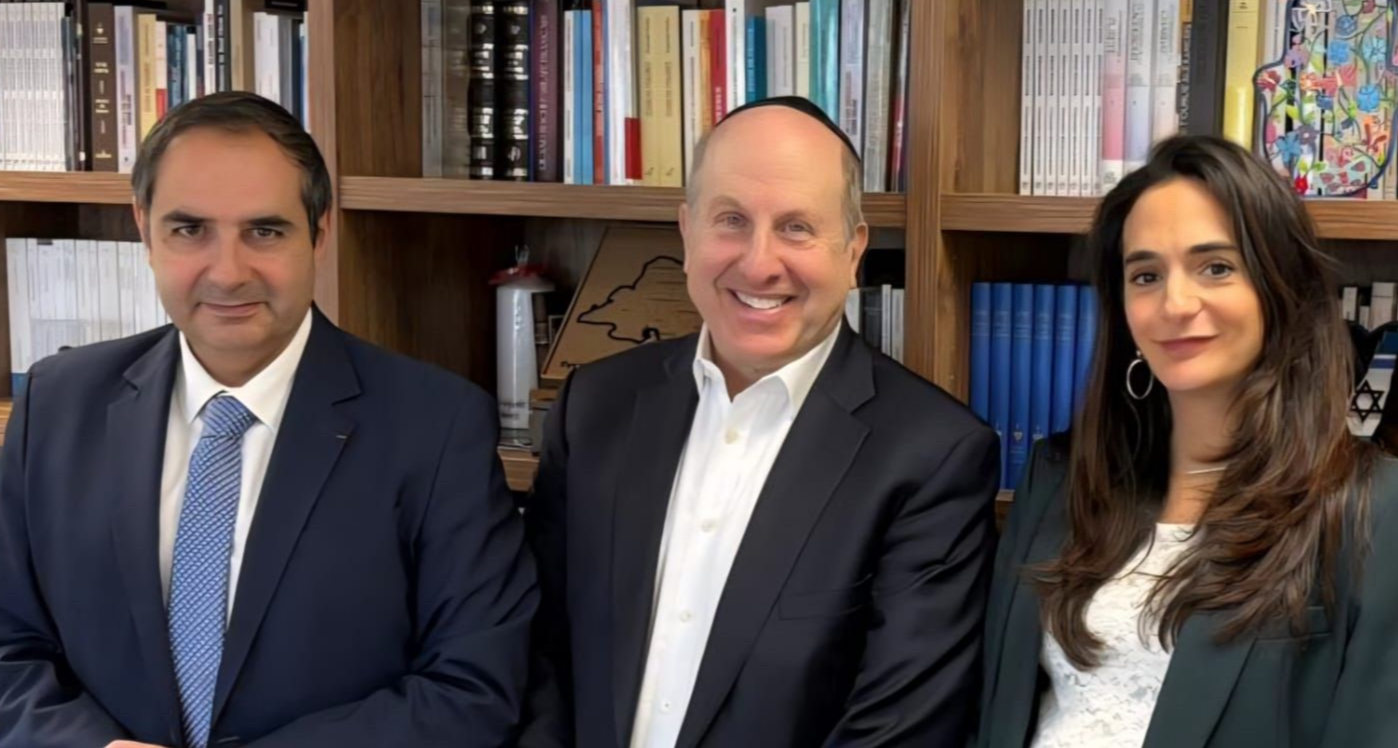
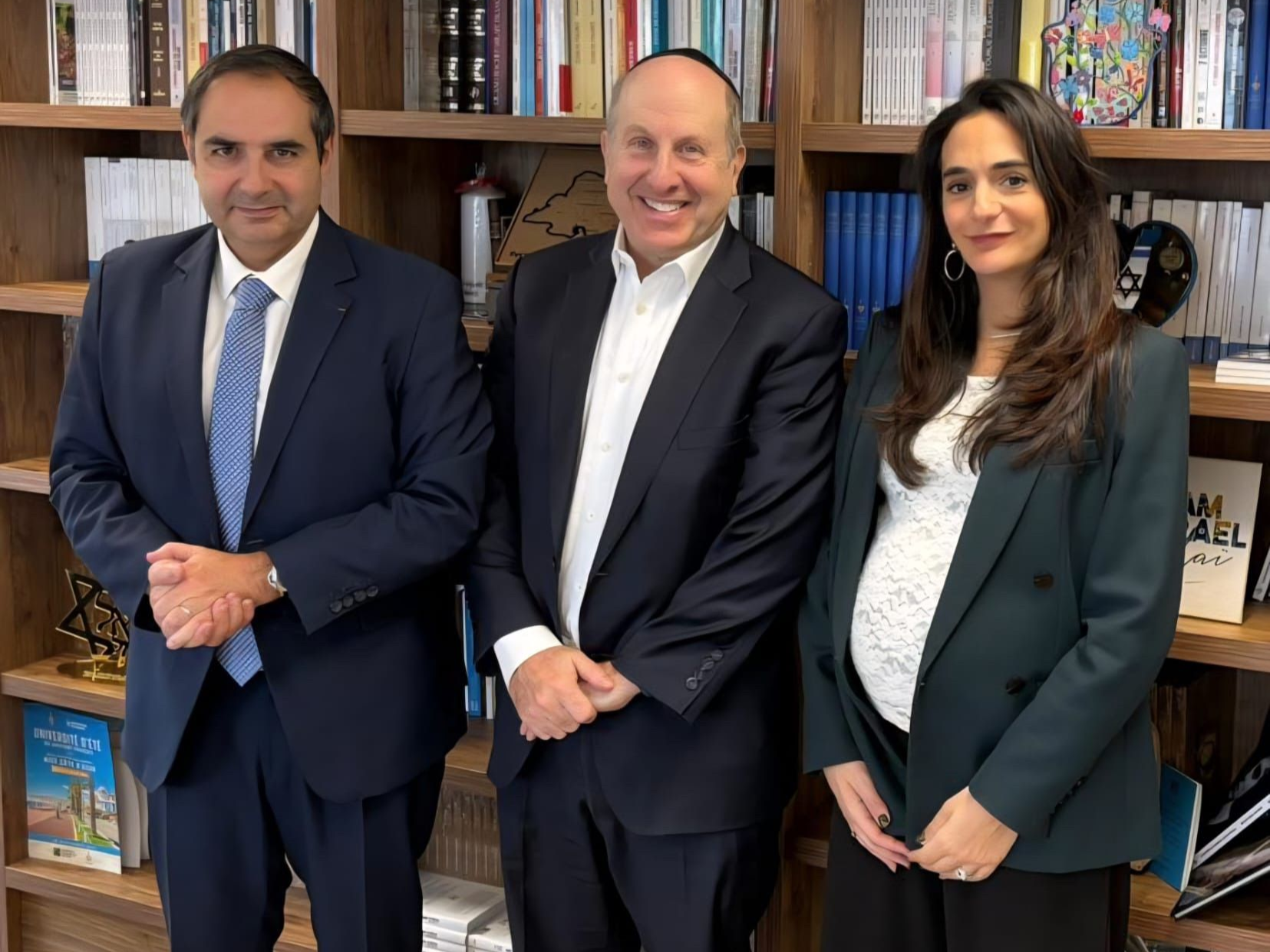
Krislov (center) meets with French Jewish community leaders in Paris during his Fulbright
On the last night of his Fulbright Specialist project in France, Marvin Krislov found himself at a Shabbat service he hadn’t expected to attend. The room was full of young French Jews—some casually dressed, a few who didn’t know all the prayers—singing and laughing with what Krislov describes as “incredible joy and connection.” Earlier that same day, Krislov had met with a longstanding community leader who had been candid about the challenges for Jewish communities in France despite years of efforts to address a rise in antisemitism.
Both experiences, he says, capture something true about the experience of Jewish life in France.
Krislov, who is the president of Pace University in New York, recently returned from his Fulbright Specialist exchange during which he worked alongside French government officials, civil society organizations, academic institutions, and Jewish community leaders to examine how antisemitism is being addressed in France. His goal: to identify policies and practical recommendations that could reduce antisemitism in French higher education and work to build a transatlantic framework on which policymakers and university leaders in both the United States and France can act.
It’s a mission shaped by a career working on civil rights, campus policy, and questions of how students from different backgrounds experience university life.
“It has been emotional, it has been fascinating, it has been inspiring,” he says. “It’s something that I think about literally every day—and there are very few things like that I’ve ever had in my life.”
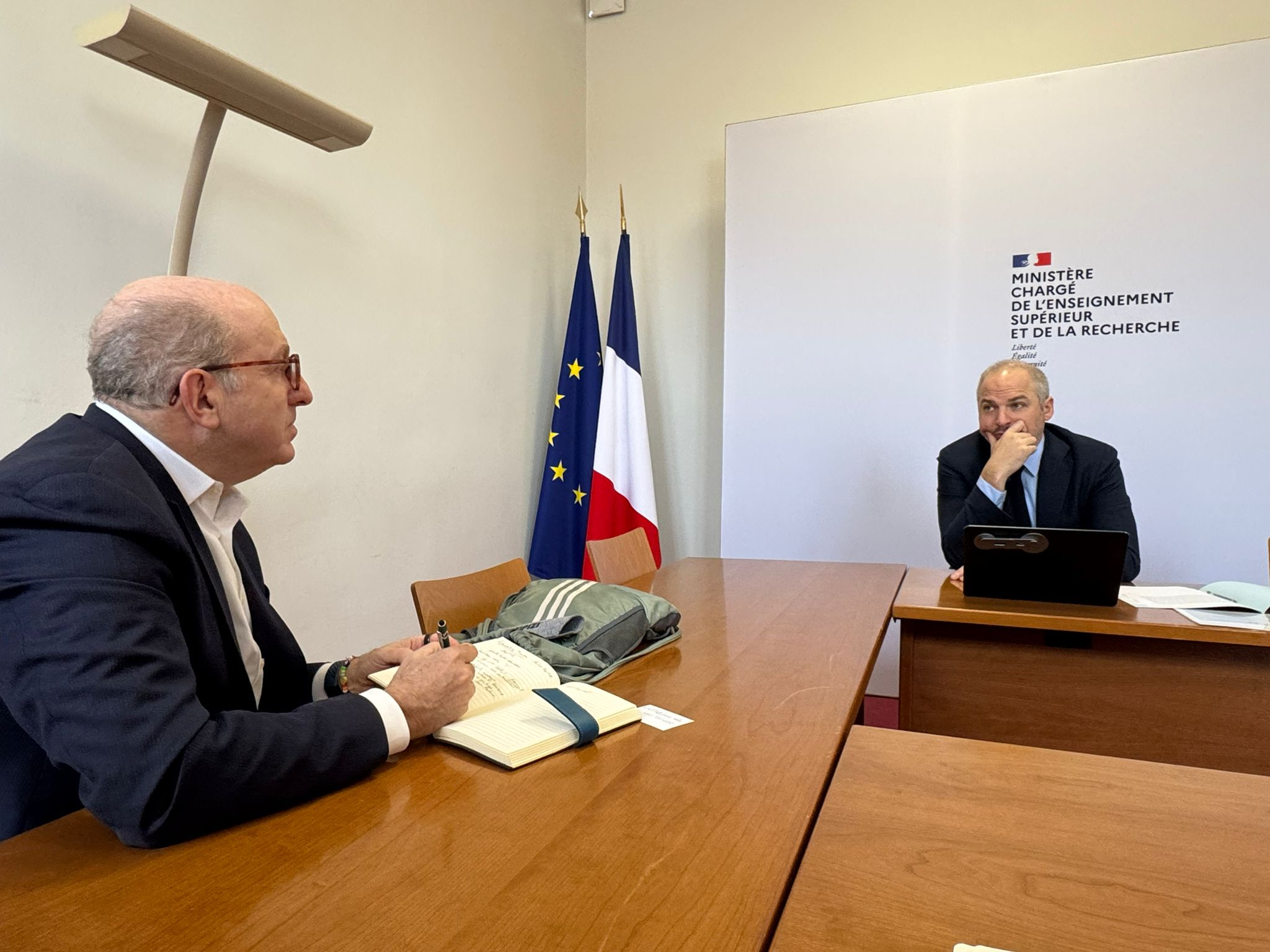
Krislov conducts one of dozens of interviews and site visits with French government officials, educators, and community leaders during his Fulbright
Krislov’s Fulbright Specialist project allowed him to conduct interviews and site visits with a wide range of interlocutors, including members of the French government and parliament, Jewish community leaders, journalists, university presidents, NGO representatives, and civil society partners. He visited Paris and Strasbourg, where, through coordination with the University of Strasbourg, he delivered a keynote address on antisemitism at the Council of Europe—sharing a stage with European policy officials and scholars working on this issue from different vantage points.
On French university campuses, Krislov heard consistent calls for stronger enforcement against exclusionary behavior alongside a deeper need for education about Jewish history and tradition. In French schools, he observed that the principle of laïcité, the strict separation of religion from public life, shapes how Jewish history is taught and often limits it to the Holocaust. “I think there’s room to think about ways to help people understand Jewish people [today], not just in the context of victims of historical atrocities,” he says.
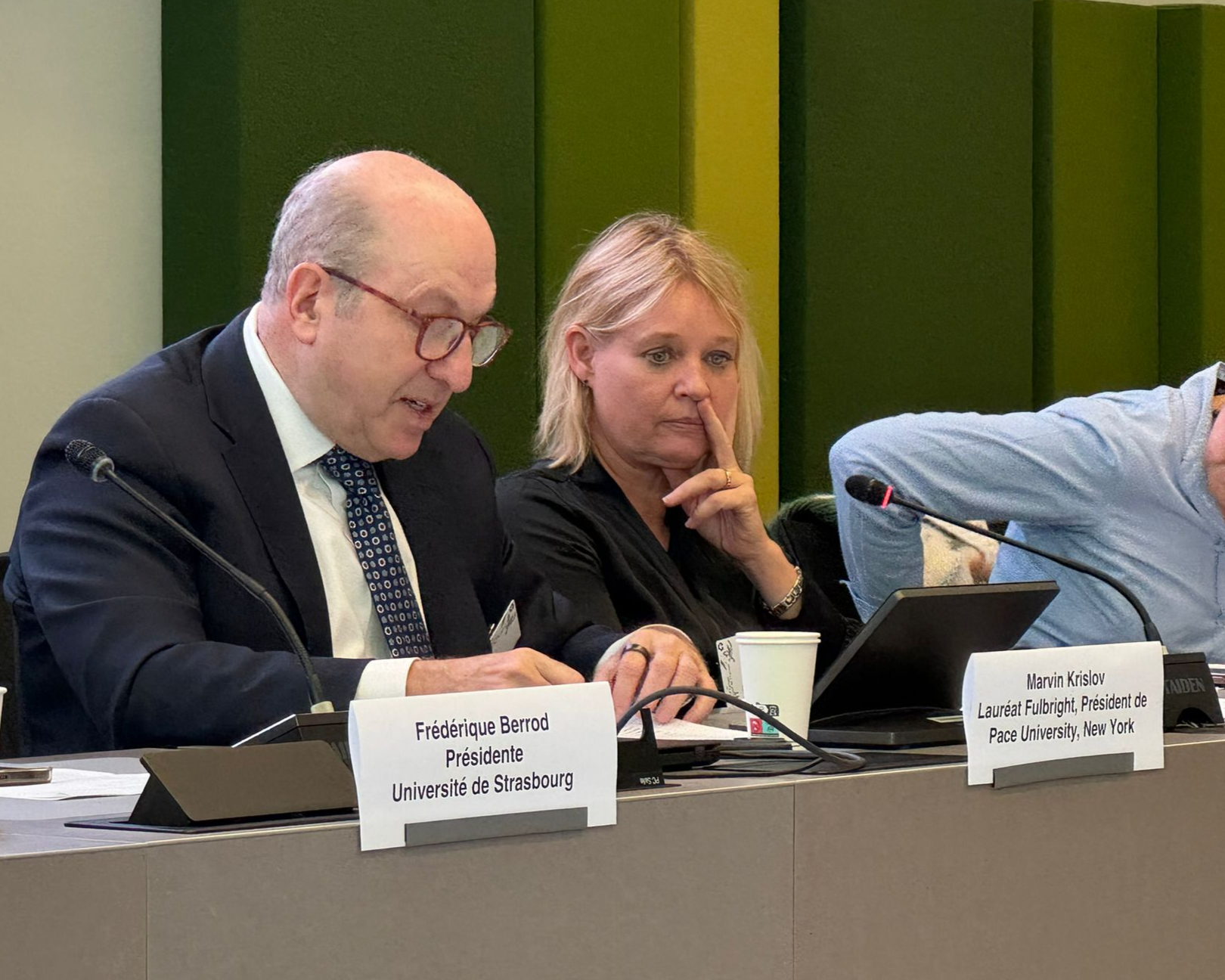
Fulbright Specialist Marvin Krislov addresses attendees at a conference on antisemitism organized by the University of Strasbourg at the Council of Europe
For Krislov, his conversations about differences in how French law and society approach concepts like freedom of speech and religion felt especially timely as the United States marks its 250th anniversary. In America, open expression of faith is enshrined in the Constitution, which stands in contrast to French norms of strict separation of the expression of religion from public life. “In the United States, there is a lot of pride in religious life, and it’s something that’s viewed as a strength,” he says. “I think there’s something to be gained from thinking about how Jews or other religious groups can be proud and open—and that will lead to better understanding and a stronger country.”
After his return to the United States, Krislov is working on a report that will be presented to stakeholders in both countries. He is already planning a return visit to France and establishing additional connections with French academic institutions.
His Fulbright experience is also benefiting his students at Pace, as he seeks to ensure its campuses are places where students of all religious backgrounds feel that they belong. “When I think about students, one of the things I always think about is: do people feel comfortable in the institution? Do they feel supported? Do they feel they can express themselves?” he says. “I hope that Muslim, Jewish, Christian, and agnostic students, students of all faiths, can feel comfortable—not only in the university, but in the world at large.”
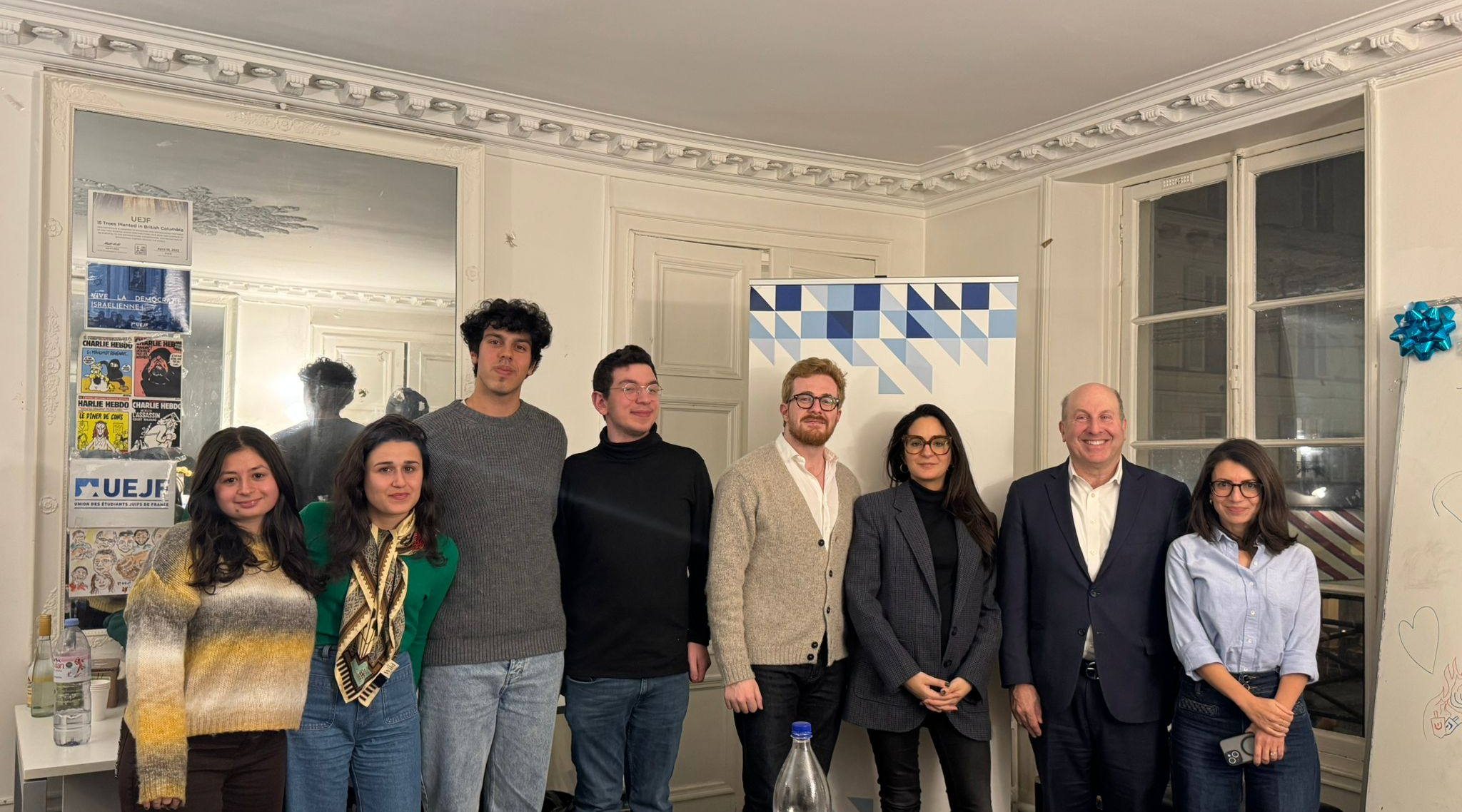
During his Fulbright, Krislov also met with youth leaders from Jewish student organizations